
The Guardian
link ‘Hello pervert’: the sextortion scam claiming to have videoed you
— Hello pervert” is how the email starts and frighteningly it appears to have been sent from your own account. It is a ransom note with the recipient warned that they have been recorded in a compromising act, and will be exposed unless they pay up.
The sender warns “this is a very bad situation for you”, or something similarly threatening.
‘Hello pervert’: the sextortion scam claiming to have videoed you
— Hello pervert” is how the email starts and frighteningly it appears to have been sent from your own account. It is a ransom note with the recipient warned that they have been recorded in a compromising act, and will be exposed unless they pay up.
The sender warns “this is a very bad situation for you”, or something similarly threatening.
Indy Star
link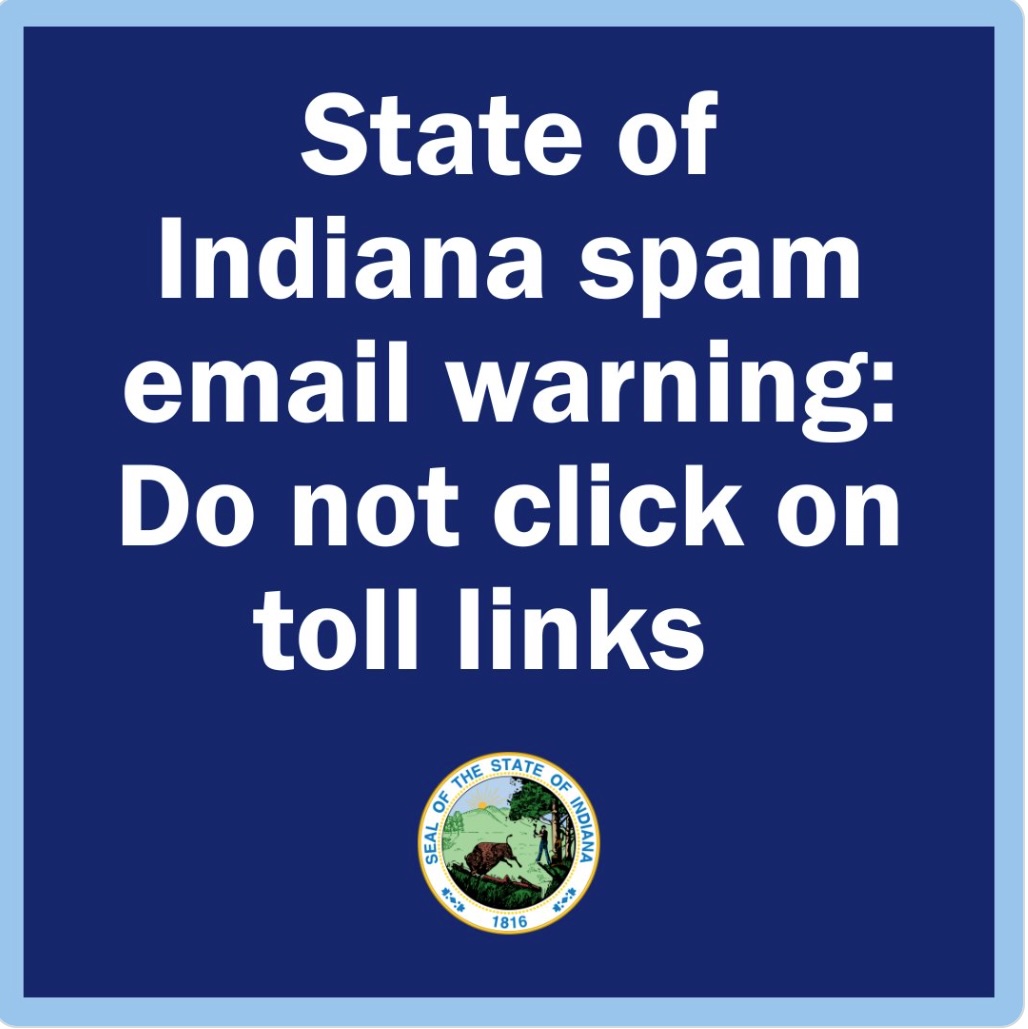 Did you get an email from an Indiana government agency about unpaid tolls? It's a scam.
— A former email provider for the State of Indiana has been hacked and is sending fraudulent toll road scam emails, the Indiana Office of Technology confirmed in a statement on the morning of May 13.
Did you get an email from an Indiana government agency about unpaid tolls? It's a scam.
— A former email provider for the State of Indiana has been hacked and is sending fraudulent toll road scam emails, the Indiana Office of Technology confirmed in a statement on the morning of May 13.
10 WJAR News
link FBI issues new warning; be on the lookout for specific language in emails
— he FBI has issued a new warning about scammers targeting your email in more sophisticated ways. The FBI wants the public to be aware of scammers trying to exploit mass casualty events and disasters, like the New Orleans attack New Year's Day and the raging wildfires in Los Angeles. Plus, be on the lookout for messages that stress urgency.
FBI issues new warning; be on the lookout for specific language in emails
— he FBI has issued a new warning about scammers targeting your email in more sophisticated ways. The FBI wants the public to be aware of scammers trying to exploit mass casualty events and disasters, like the New Orleans attack New Year's Day and the raging wildfires in Los Angeles. Plus, be on the lookout for messages that stress urgency.
Readers Digest
link.jpg) If You Get a USPS Scam Text, You Need to Do This ASAP
— Waiting for online shopping purchases to arrive? Stay vigilant against scammers pretending to be the U.S. Postal Service.
Online shoppers are out in full force this holiday season. According to Adobe Analytics, consumers spent $13.3 billion on Cyber Monday in 2024—a 7.3% increase over past year—making it the highest single e-commerce shopping day in history. Unfortunately, as online shopping trends upward, so do opportunities for scammers.
If You Get a USPS Scam Text, You Need to Do This ASAP
— Waiting for online shopping purchases to arrive? Stay vigilant against scammers pretending to be the U.S. Postal Service.
Online shoppers are out in full force this holiday season. According to Adobe Analytics, consumers spent $13.3 billion on Cyber Monday in 2024—a 7.3% increase over past year—making it the highest single e-commerce shopping day in history. Unfortunately, as online shopping trends upward, so do opportunities for scammers.
PhoolPhisher
link Repetition Doesn't Make it Real
— Scammers borrow tactics from real-world marketers and advertisers. One common technique is using repeated messages to create brand awareness. Just because you get multiple messages advertising the same product or service, doesn't mean it's real.
Repetition Doesn't Make it Real
— Scammers borrow tactics from real-world marketers and advertisers. One common technique is using repeated messages to create brand awareness. Just because you get multiple messages advertising the same product or service, doesn't mean it's real.
Kiplinger
link Common Holiday Scams To Watch Out For This Holiday Season
— The holidays bring joy and time with loved ones, but they also bring out those who try to steal that joy through holiday scams like fake online deals, phishing emails and package delivery fraud. Scammers are finding more creative and realistic ways to target shoppers and steal their personal information.
These are some of the most common holiday scams happening now.
Common Holiday Scams To Watch Out For This Holiday Season
— The holidays bring joy and time with loved ones, but they also bring out those who try to steal that joy through holiday scams like fake online deals, phishing emails and package delivery fraud. Scammers are finding more creative and realistic ways to target shoppers and steal their personal information.
These are some of the most common holiday scams happening now.
Business Wire
link Consumers Sleepwalking Into Scams: Alarming Rise in Social Media Ticket Scams as Buyers Ignore the Risks
— Tantalising Black Friday deals and the rise of TikTok shop are luring consumers into a world of online purchases but new research reveals that many are playing into the hands of savvy scammers on social media, leaving live event fans paying the price without any protection.
Consumers Sleepwalking Into Scams: Alarming Rise in Social Media Ticket Scams as Buyers Ignore the Risks
— Tantalising Black Friday deals and the rise of TikTok shop are luring consumers into a world of online purchases but new research reveals that many are playing into the hands of savvy scammers on social media, leaving live event fans paying the price without any protection.
PhoolPhisher
link Why Would Anyone Fall for This?
— Phishing scams often look like a bad knockoff of a Home Shopping Network ad—loud, messy, and full of typos. Yet, they somehow reel people in. Here’s why these digital infomercials from the dark side work.
Why Would Anyone Fall for This?
— Phishing scams often look like a bad knockoff of a Home Shopping Network ad—loud, messy, and full of typos. Yet, they somehow reel people in. Here’s why these digital infomercials from the dark side work.
FBI
link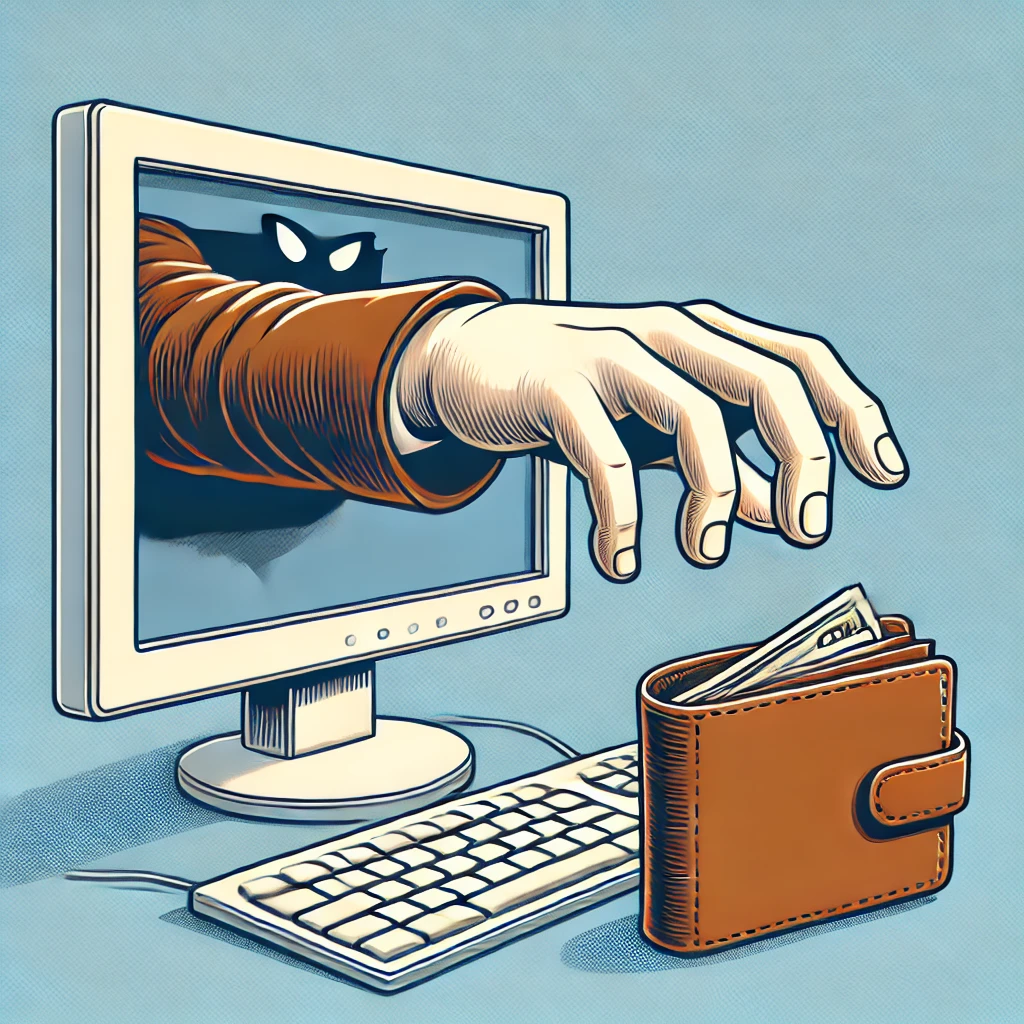 Common Frauds and Scams
— The FBI has a webpage detailing the most common scams that they see along with tips to help Americans from falling victim.
Common Frauds and Scams
— The FBI has a webpage detailing the most common scams that they see along with tips to help Americans from falling victim.
Apple
link Managing Privacy and Security on iPhone or iPad
— We often take the time to learn how to use a new feature on our phones, but rarely spend the same effort when it comes to learning how best to secure them and all of the information they contain about our lives. Apple has a tutorial to help you manage all of the security and privacy settings on your phone.
Managing Privacy and Security on iPhone or iPad
— We often take the time to learn how to use a new feature on our phones, but rarely spend the same effort when it comes to learning how best to secure them and all of the information they contain about our lives. Apple has a tutorial to help you manage all of the security and privacy settings on your phone.